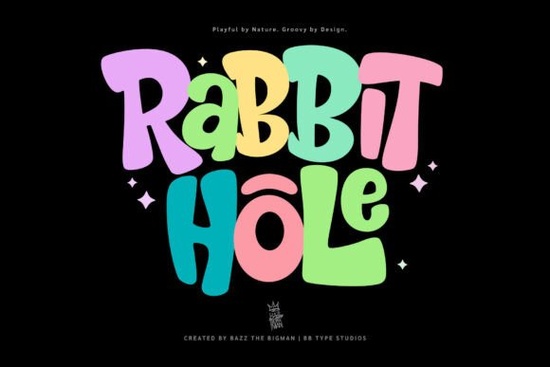
If you're working on a project that calls for whimsy with weight something that feels hand-drawn but still holds its ground visually the Rabbit Hole Font might be exactly what you need. Designed with both charm and confidence, Rabbit Hole blends a retro-inspired bounce with organic, slightly irregular letterforms that keep it feeling human and approachable. It’s especially well-suited for children’s books, playful branding, birthday invitations, or even quirky product packaging where personality matters as much as clarity.
What makes Rabbit Hole stand out from other display fonts?
Unlike many display fonts that lean heavily into either cuteness or boldness, Rabbit Hole strikes a balance. Its letters have generous curves and subtle unevenness think of chalk drawn on a sidewalk or crayon scribbles with purpose. But it doesn’t sacrifice legibility or impact. The font maintains strong visual presence even at smaller sizes, which is rare for highly stylized typefaces.
For crafters and small business owners creating custom mugs, t-shirts, or greeting cards, this means your message stays readable while radiating fun. Print-on-demand sellers will appreciate how well it photographs it doesn’t get lost in product mockups, and it photographs cleanly without looking overly digital.
When should you use Rabbit Hole (and when to skip it)?
Rabbit Hole shines in contexts where warmth and energy are key:
- Kids’ party invites or classroom decor
- Branding for bakeries, toy shops, or boutique ice cream brands
- Merchandise with a nostalgic or handmade aesthetic
- Book covers or chapter headers for middle-grade fiction
Avoid using it for body text or formal communications it’s a display font through and through. Also, if your project leans minimalist or corporate, this probably isn’t the right fit. But if you’re aiming for joyful, inviting, or slightly offbeat, Rabbit Hole delivers without trying too hard.
How does it compare to similar playful fonts?
If you’ve browsed Creative Fabrica’s display font section, you’ve likely seen options like Sweetie Pop, which leans sweeter and more candy-like, or Crayons, which mimics actual crayon strokes with more texture. Rabbit Hole sits somewhere between those it’s less sugary than Sweetie Pop and cleaner than Crayons, making it versatile across age groups.
For projects needing a bit more edge, you might also consider Distressed Display styles, which add grit rather than cheer. And if sports or energetic themes are your focus, the Super Sport Bundle offers bolder, blockier alternatives. Meanwhile, Lucky Chunks shares Rabbit Hole’s chunky friendliness but with a more geometric, almost pixelated feel.
Tips for pairing Rabbit Hole with other fonts
Because Rabbit Hole has so much personality, pair it with something neutral and clean. A simple sans-serif like Montserrat, Open Sans, or even Helvetica works well for supporting text. Keep contrast clear: if Rabbit Hole is your headline, let your subhead or body copy breathe with ample spacing and minimal styling.
Color choices matter too. Rabbit Hole looks great in primary colors, pastels, or even earthy tones avoid neon or overly saturated combos unless your brand specifically calls for that energy. On merchandise, it prints beautifully in single-color applications (like screen printing), which keeps production costs low.
Who is this font really for?
This font is ideal if you:
- Create kids’ crafts, party printables, or educational materials
- Run a small shop selling handmade or themed goods
- Design logos or packaging for lifestyle or food brands with a friendly voice
- Enjoy adding character to personal projects without sacrificing professionalism
It’s not just “cute” it’s thoughtfully crafted. The slight irregularities in stroke width and letter height give it rhythm, almost like it’s bouncing off the page. That liveliness translates well to digital and physical formats alike.
Before you commit, test it with your actual content. Type out a real headline or product name not just “The Quick Brown Fox” to see how it performs in context. Many designers overlook this step and end up with fonts that look great in demos but awkward in practice.
Ready to try it?
If Rabbit Hole matches your project’s tone, it’s worth adding to your toolkit. Just remember: the best fonts serve the message, not distract from it. Use Rabbit Hole where joy is part of the story not just decoration.
Quick checklist before downloading:
- ✅ Does my audience respond well to playful, hand-crafted aesthetics?
- ✅ Will this be used for headlines, logos, or short phrases (not paragraphs)?
- ✅ Have I tested it with my actual copy at the intended size?
- ✅ Do I have a clean, simple font ready to pair with it?
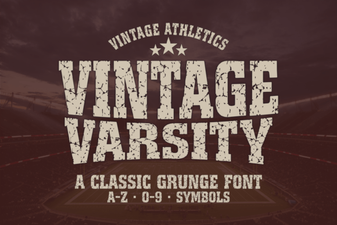 Vintage Varsity Fonts for Sporty Design Projects
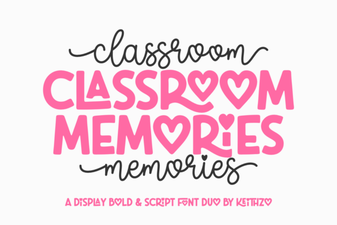 Classroom Memories Font Styles for Creative Projects
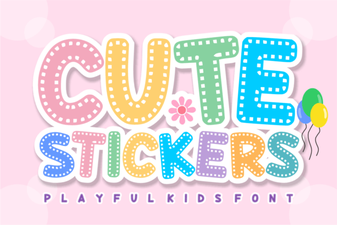 Creative Font Ideas for Your Cute Sticker Designs
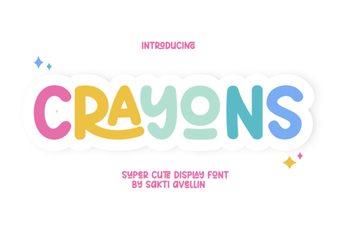 Crayons Fonts for Creative Projects and Designs
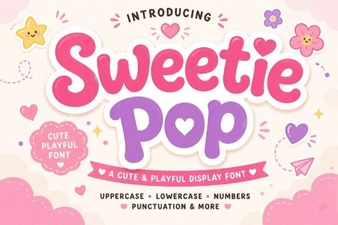 Sweetie Pop Font: Fun and Friendly Typography
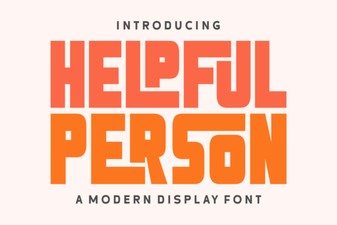 Choosing Fonts to Become a More Helpful Designer